

The Central Hub for DSM Community and Information

For 1990-1999 Mitsubishi Eclipse, Eagle Talon, Plymouth Laser, and Galant VR-4 Owners. This is where the DSM platform history is documented and archived. Log in to help us in our mission, and to remove most ads from the browsing experience.

2G About to put A/C back in operation -- any hints or thoughts?

This site may earn a commission from merchant affiliate links, including eBay, Amazon, and others.

waltah

15+ Year Contributor
372
159
Mar 2, 2011
fairfield, Virginia
My 95 GS-T came with no A/C belt or idler pulley/bracket. I've gotten the bracket assembly and what claims to be the right belt and in the next few days I'll put them in. This is the usual 'looks impossible because there's not enough space for even fingers, let alone tools' job but probably it can be done. Remove a few parts blocking the way -- A/C hose bracket, undo a connector, and support bracket for it, couple of vacuum hoses and in theory it should be possible. For the belt, release the alternator belt and take it off the crank pulley then put on the A/C belt, tension that, reinstall and tension the alternator belt and should be good to go.

Any suggestions, comments, whatever?

Of course whether the A/C system will work or not is a whole separate issue. It does appear to be all there, closed up, and connected, the compressor pulley turns freely, so ... hopefully ...
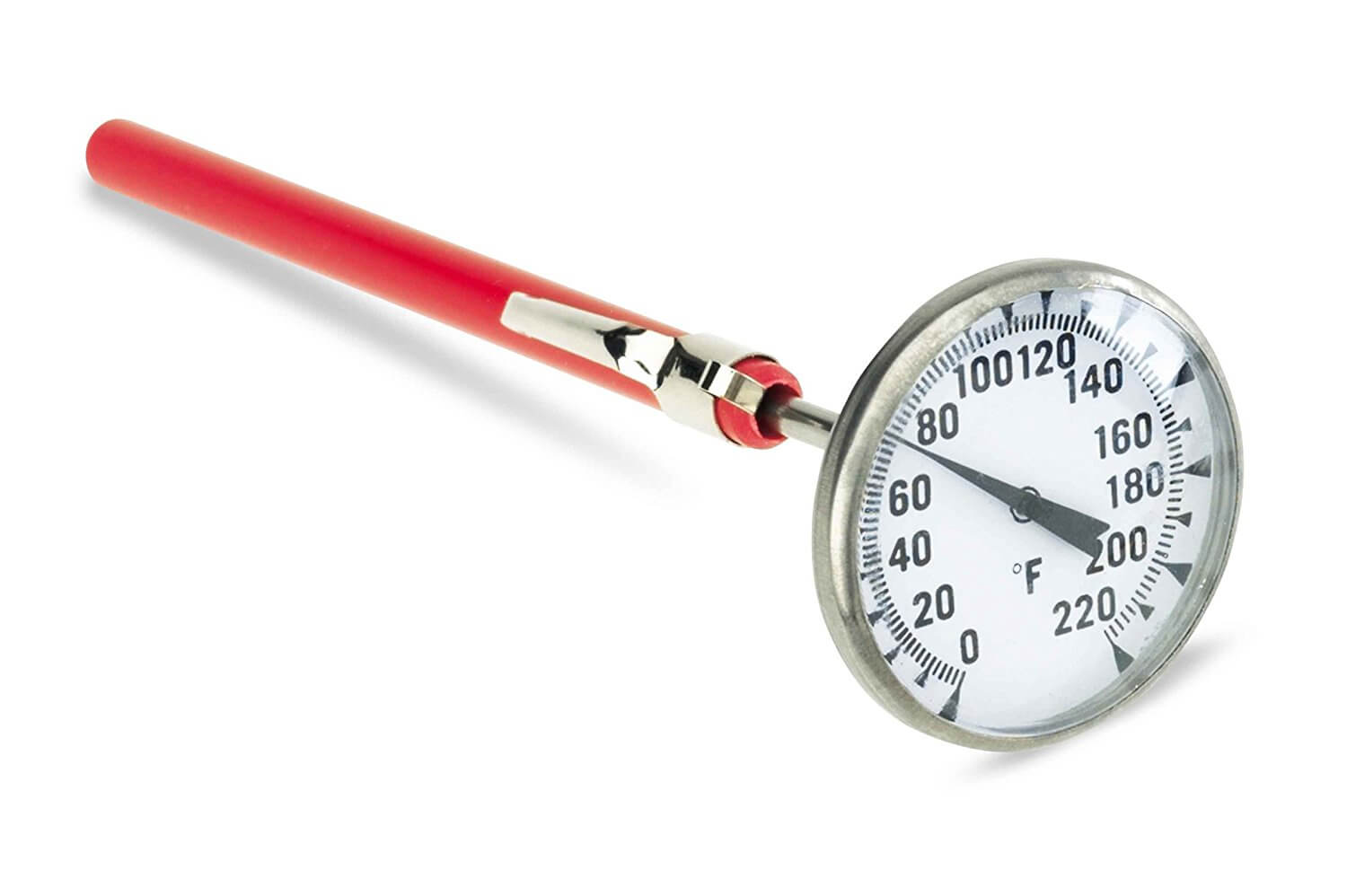
 
Changed the evaporator in my 'driver' GS-T today. Pulling the old one took under two hours including removing the battery and tray plus the tower strut. The practice on the parts car paid off!

Key tricks:
Mitsubishi doesn't say so but removing the battery and tray are almost essential unless you have really tiny hands.

The evaporator drain hose is just to the passenger side of the fuel filter. With the battery and tray out you can get a hand in there and pull it off in the forward direction.

Free the harnesses both above and below the evaporator. The top one has three mountings -- one metal fingers and two nylon push-in saddles that can be pulled free. The bottom one is taped on a saddle that can't be pulled out; cut the plastic tape to free that one. These must be free to get the evaporator back in and doing so first will make it much easier to take out.

The operating cable for the fresh/recirc control goes across the evaporator case. Free it at the blower case end in order to get rid of that interference and avoid possibly breaking the cable.

It's not necessary to remove the console kick panel as the manual tells you to. You can pull the carpet down a couple of inches to uncover the bottom evaporator mounting and lower harness without doing that.

The rest is pretty obvious or covered by the step-by-step in the manual.

Installing the cleaned up parts car evaporator was next. Just getting it in and bolted in place was the nastiest Eclipse job I've done yet and one of the worst in 20-some years of Mitsubishis. There isn't room to do it in one step: You just have to start and carefully pry interferences out of the way one at a time until you can put in the two M8 bolts at the top and the single M8 washer nut at the bottom. But in order to align the holes for those bolts you must compress the sponge seals against the firewall ... not easy.

Watch the various plugs you have to reconnect as you go -- if one gets trapped somewhere you could wind up having to pull the thing out again.

Two hours work for the reinstall and nearly another hour hooking things up, reinstalling the battery, and so on.

I opened up the 'old' evaporator case. The fins were tolerably clean -- just a pile of leaves and trash in the sump at the bottom that would have almost no effect on air flow. However when I started looking around with the UV flashlight there were oil traces on the back (inside) of the connection flange. I couldn't see anything else wrong -- no visible crack -- but if there were a leak on the engine compartment side the oil couldn't get in because the inside is under air pressure.

When I took the two connections in the engine compartment off to change the o-rings a few days back I had a very hard time. They were torqued way too hard and it seems possible that the flange itself has a hairline crack in the tapped hole for the M-6 machine screw for the suction hose. There's a lot of oil in the threads of that hole -- how did that get there unless the leak itself is in there?

Bolts for A/C o-ring joints have essentially nothing to do with the seal -- the o-ring does that. They are tightened just enough to be sure the joint won't come apart. In our cars they're all in aluminum and overtightening runs the risk of breaking something.

The other possibilities are a cracked pipe near that flange on the inside or a failed or defective from the factory solder joint between the pipe and the flange. That evaporator was not the original one -- it was a much newer part number and so clean that it likely wasn't used much at all.

The new o-rings the other day made no difference -- I still had a leak in the same place on those connections, it looked like on the suction side. When I hooked up the new (parts car) evaporator today the o-rings got changed again but this time there's no sign of a leak.

Everything's back together and I put a half charge on it -- enough to run it and be sure there's no leaks now. If it holds pressure for a week or so I'll fill 'er up
 
Whew ... I think the job's done. The following omits a fair amount of uninteresting owner/mechanic inefficiency.

The evaporator from the parts car (shown above with mouse fur/pink garage insulation accessory) got cleaned up and installed. The unit that came in my 'new' car was a late model replacement, looked quite beautiful inside and out, but had a refrigerant leak somewhere: Oil showed up on the connections at the engine compartment side but there's also some oil inside -- without a 'here's your leak' pattern. I will probably cork it up and dunk it in warm water to see if I can find the leak.

Yesterday and today I filled and tested the system.

Ambient – 77 F

Sight glass solid
Est. Full 27 oz charge

Pressure high 167 PSI (Should be 107-160)
Pressure low 32 (Should be 20-31)

Temp on liquid line from RFD 112 F
Temp on high pres from Comp 119
Temp on suction pipe at evap 45

Air temp center duct interior 49 (Should be 37-43)

The 'should be' figures are from the '97 Talon manual -- same as '95 Eclipse I believe, A/C wise. Other sources give a broader range, especially at the high end -- per your comment,
1990TSIAWDTALON.

The center duct temp is a little high but I didn't have the system on 100% recirc so that would probably improve it a few degrees. The on-the-road performance should be better because there won't be recirculation from behind the radiator to the front of the condenser as there is when standing still.

What I suspect is that the system still has too much oil. I didn't flush parts -- definitely should have done the evaporator -- so I only got rid of 'some' oil. Oil both obstructs the condenser and coats inside surfaces of both condenser and evaporator reducing heat transfer. If I have to open it up again I'll flush both heat exchangers and put in new oil.

Your comment about 'replace everything but the evaporator' also applies, 1990. Certainly doing a 'put it back in operation -- it's been dead for a while' job professionally (so labor has to be charged) that would be the cheapest way. Skipping over my stupidest mistakes and allowing for a pro working more quickly I'd guess I put 20 hours in this project plus four hours to pull the condenser and flush it and the evaporator that I should have done. My actual total was probably 60.

It's plenty good enough now for the climate here -- high 90's is the most we ever see.

I found a very helpful web site. Most are too basic to diagnose anything harder than 'low refrigerant' but this one has the tall grass nitty gritty stuff. It's got a couple of dead links and duplicates some info, could be better organized, but there's close to nothing that isn't covered:

 
Thank you for detailing your process. Will definitely be reading your article link to help diagnose a leak this spring.
 
Reading the site linked above I noticed something I used to know but had forgotten: The fans should be 'weatherstripped' if necessary so the air they suck must come through the radiator and thus help cool the condenser. Stirring up the air in the engine compartment does -- hello? -- nothing at all to help cool the car.

Sure enough the A/C fan on this car has a gap of about 1/4" all around. I'll get some foam strip material and fix that, then redo the numbers above and post them.

You younger fellas would be amazed at the amount of stuff you can forget in 83 years. I'm what -- four years older'n Joe Biden, after all.
 
Add Value - Be Respectful - No Trolling - No Misinformation - Participate Often!
Support Vendors who Support the DSM Community

Build Thread Updates

Latest Classifieds

Back
Top












