dsm-onster
DSM Wiseman
- 8,592
- 130
- Jul 11, 2004
-
Bloxom,
Virginia
The 7bolt 4g64 is like a 7bolt 2g motor. This 4g64 cam out of a 1995 galant ls. The original driverside motor mount is more like a 2g mount than 1g mount. To mount this motor in a 1g chassis you must use the 1g timing belt idler & tensioner pulley base/assembly which includes the right boltpattern to use the 1g driverside motor mount.
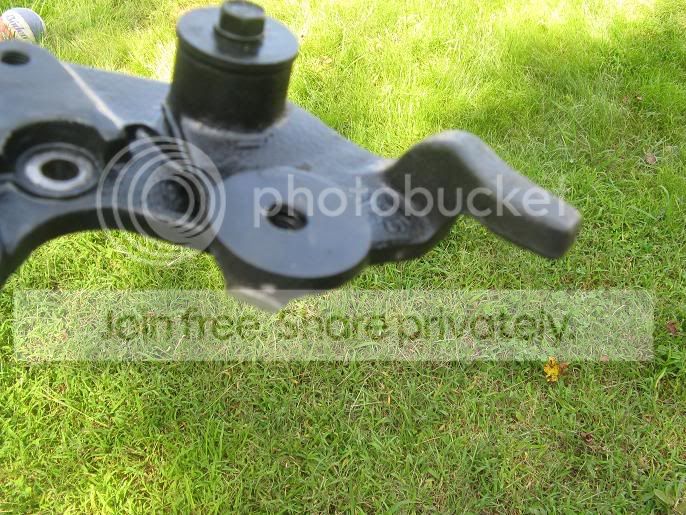
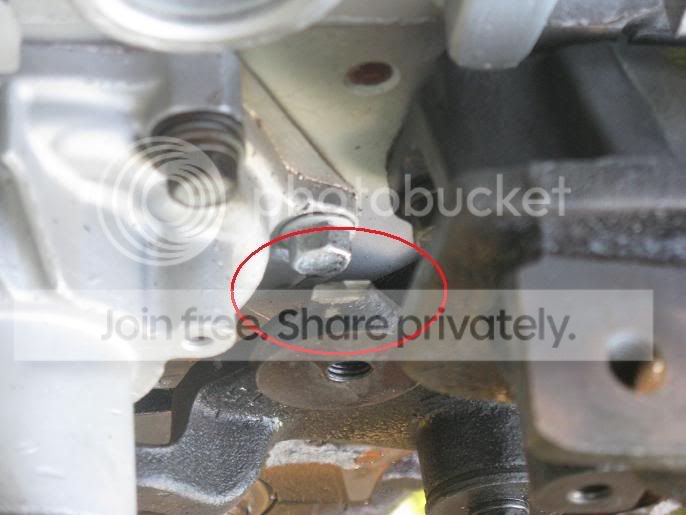
But this piece has to be modified in two places to work on the block. One place has to be ground so that youcan bolt the piece on, as the shape of the 2g or 7bolt 2.4 oil pump housing is in way.
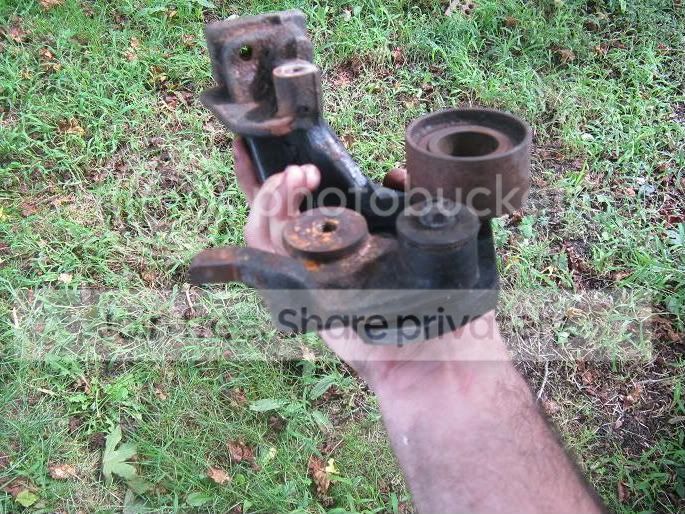
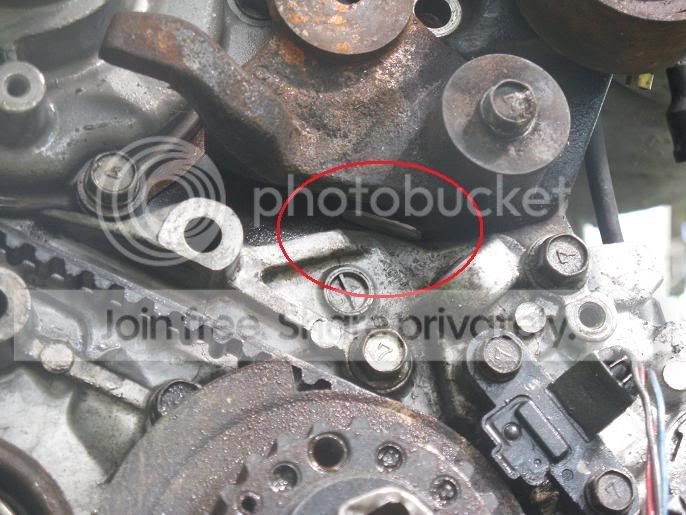
The other point needs to be ground so that the tensioner arm can swing freely. Other wise it will bump one of the water pump bolts and not properly apply tension to the timing belt.
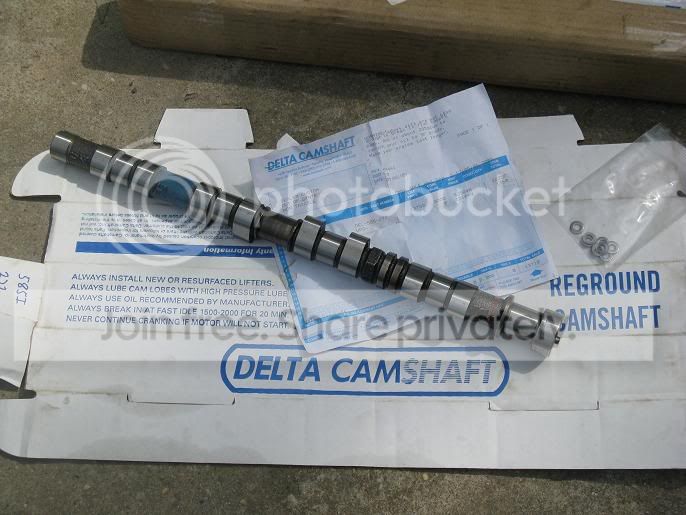
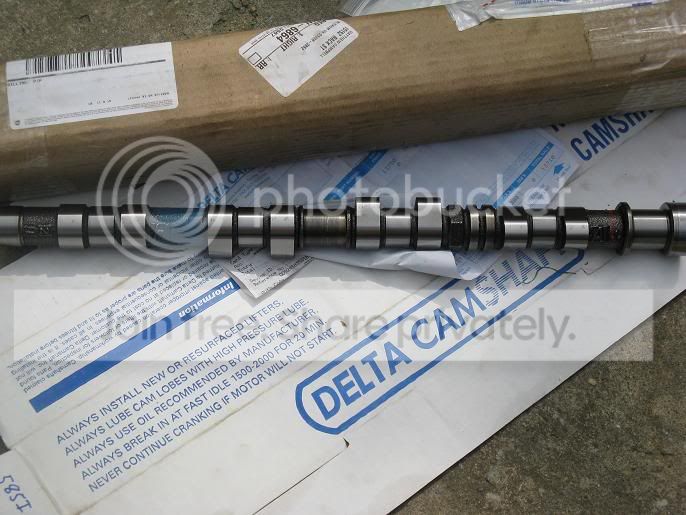
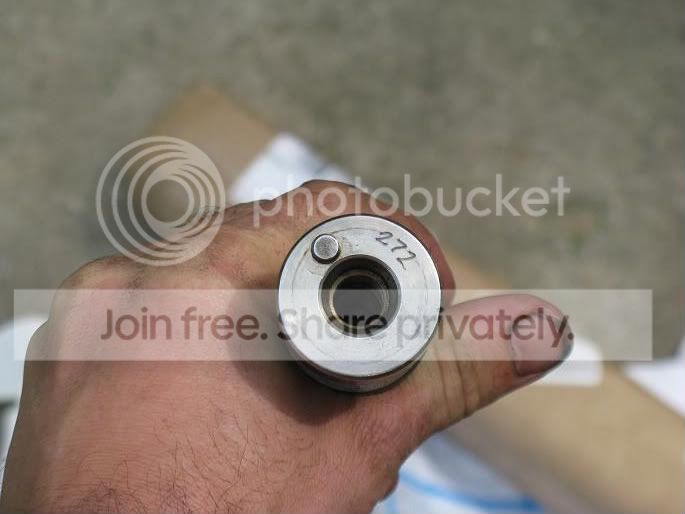
Also here's a couple of shots of my 272 regrind intake cam. As you can see the colors and the 272 etched to the face tell you it's a Delta Cams regrind.
I'm going to upgrade my exhaust cam. But one should not need nearly as much duration as on the intake side. "Blowdown" really helps n/a motors; where as turbo car will be seeing so much more backpressure that the blowdown event is greatly nulled. I'm thinking that I could get away with 252 advertized duration and still have a good increase over stock. Flow will definately be there on the exhaust side because with the tubular header with well matched secondaries (longer than stock) and the full 2.5" mandrel bent exhaust with no cat and a more freely flowing muffler-- all those things amount to probably what a SMIM upgrade would do to the intake side. The intake NEEDS more duration to keep up. The exhaust will be getting better VE in the lower and upper rpm range. I need the momentum on the intake side to work for me to better match that exhaust flow.
The intake cams both n/t and turbo heads have the highest lift at about .375". Interestingly, looking at the stock and mildly ported exhaust cfm flow based on a flow bench, the exhaust side gains little to no more cfm past .35" lift and in some cases LOSES a little flow. Click to this thread to see various flow bench results with the stock and mildly ported head.
The stock n/t 4g63 cams are 252/244 int/exh. The turbo cam and the n/t cam have 5 degress difference in centerline. The n/t intake cam has 5 degrees more advance, and thus more overlap. I have the n/t intake cam on the head going into this build and I have a spare turbo intake cam. I've heard of others doing this, so I'll try as well to install the intake cam onto the exhaust. I'll have 2 cams to work with to see if more exhaust advance or more exhaust retard works best. I will degree the exhaust side to determine the right teeth to move the cam to. This will then give others what they need to swap the easy to find n/t intake cam and turbo intake cam in to their 1990-1992 and 1995+ motors. Which would be an upgrade for all those years.
The rest of my build story can be found at the below blog catagory:
But this piece has to be modified in two places to work on the block. One place has to be ground so that youcan bolt the piece on, as the shape of the 2g or 7bolt 2.4 oil pump housing is in way.
The other point needs to be ground so that the tensioner arm can swing freely. Other wise it will bump one of the water pump bolts and not properly apply tension to the timing belt.
Also here's a couple of shots of my 272 regrind intake cam. As you can see the colors and the 272 etched to the face tell you it's a Delta Cams regrind.
I'm going to upgrade my exhaust cam. But one should not need nearly as much duration as on the intake side. "Blowdown" really helps n/a motors; where as turbo car will be seeing so much more backpressure that the blowdown event is greatly nulled. I'm thinking that I could get away with 252 advertized duration and still have a good increase over stock. Flow will definately be there on the exhaust side because with the tubular header with well matched secondaries (longer than stock) and the full 2.5" mandrel bent exhaust with no cat and a more freely flowing muffler-- all those things amount to probably what a SMIM upgrade would do to the intake side. The intake NEEDS more duration to keep up. The exhaust will be getting better VE in the lower and upper rpm range. I need the momentum on the intake side to work for me to better match that exhaust flow.
The intake cams both n/t and turbo heads have the highest lift at about .375". Interestingly, looking at the stock and mildly ported exhaust cfm flow based on a flow bench, the exhaust side gains little to no more cfm past .35" lift and in some cases LOSES a little flow. Click to this thread to see various flow bench results with the stock and mildly ported head.
A Side: Why do big cams have huge exhaust lift? It will just wear out the springs sooner. As well one can get away with a little more ramp rate with a certain spring as the peak lift reduces some of the momentum the valve will experience.
I could see a lower lift high duration exhaust cam with high ramp rates doing jsut as well as that with a higher lift. But imagine only needing to spend $200 for a dual spring upgrade in the intake side and the matching exhaust cam with still high ramp rate and plenty duration could probably get away with stock springs with shims. After all the exhaust valve is also much smaller and lighter than teh intake valve. This greatly reduces momentum. As well, exhaust ramprates appear not to be nearly as aggressive even on the newer "square lobe" cam profiles.
I could see a lower lift high duration exhaust cam with high ramp rates doing jsut as well as that with a higher lift. But imagine only needing to spend $200 for a dual spring upgrade in the intake side and the matching exhaust cam with still high ramp rate and plenty duration could probably get away with stock springs with shims. After all the exhaust valve is also much smaller and lighter than teh intake valve. This greatly reduces momentum. As well, exhaust ramprates appear not to be nearly as aggressive even on the newer "square lobe" cam profiles.
The stock n/t 4g63 cams are 252/244 int/exh. The turbo cam and the n/t cam have 5 degress difference in centerline. The n/t intake cam has 5 degrees more advance, and thus more overlap. I have the n/t intake cam on the head going into this build and I have a spare turbo intake cam. I've heard of others doing this, so I'll try as well to install the intake cam onto the exhaust. I'll have 2 cams to work with to see if more exhaust advance or more exhaust retard works best. I will degree the exhaust side to determine the right teeth to move the cam to. This will then give others what they need to swap the easy to find n/t intake cam and turbo intake cam in to their 1990-1992 and 1995+ motors. Which would be an upgrade for all those years.
The rest of my build story can be found at the below blog catagory: